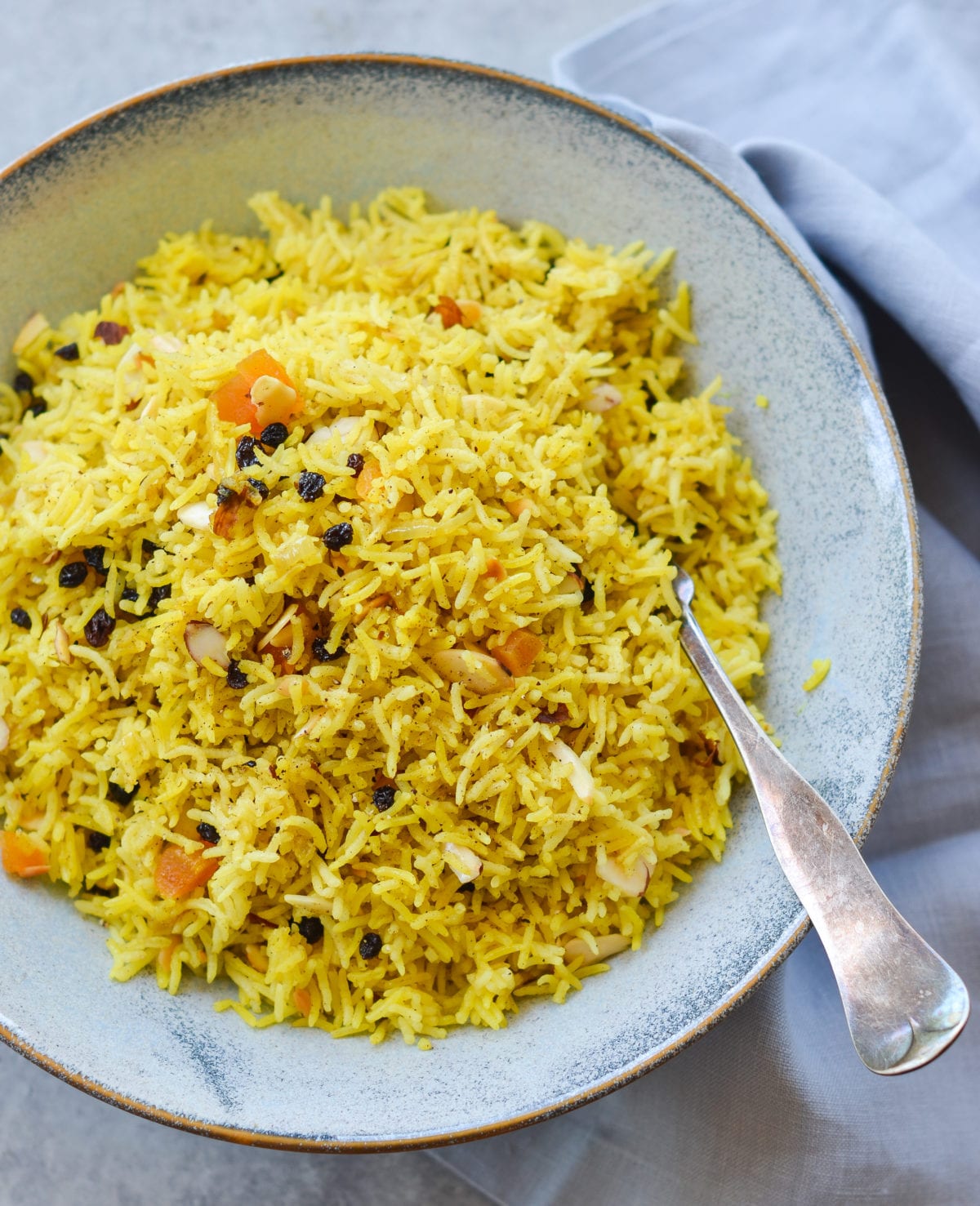
Rice pilaf stands as a culinary cornerstone in countless cultures, revered for its ability to transform simple grains into a dish of rich aroma, delicate texture, and profound flavor. More than just cooked rice, a perfectly executed rice pilaf is a testament to mindful cooking, involving a precise method that sets it apart. It begins with toasting the rice in a fat, such as butter or oil, along with aromatics like onions and garlic, before simmering in a flavorful liquid until each grain is separate, fluffy, and infused with savory goodness.
This versatile dish can serve as a humble, comforting side or be elevated into a robust main course with the addition of proteins and vegetables. Its history is as rich and varied as its flavors, with origins tracing back through the Middle East, Central Asia, and the Indian subcontinent, each region adding its unique twist to the basic technique. Whether you're looking to master the foundational recipe or explore creative new variations, understanding the principles behind a truly exceptional rice pilaf is the first step.
The Art of Crafting Perfect Rice Pilaf
Achieving a perfect rice pilaf isn't about complexity, but rather precision and attention to detail. The technique relies on a few core principles that ensure a fluffy, flavorful result every time. From selecting the right rice to mastering the cooking process, each step contributes to the final masterpiece.
Key Ingredients for Success
The foundation of any great rice pilaf lies in its ingredients. While the variations are endless, some elements are non-negotiable for an authentic and delicious outcome.
- Rice: Long-grain white rice is traditionally preferred due to its lower starch content, which helps grains remain separate and fluffy. Basmati and Jasmine rice are excellent choices, offering distinct aromas. Avoid short-grain or sushi rice, as they tend to be too sticky for pilaf.
- Fat: Butter, olive oil, or a combination are crucial for toasting the rice and sautéing aromatics. The fat coats each grain, preventing them from sticking together and contributing a rich flavor.
- Aromatics: Finely diced onions and garlic are the classic starting point, creating a fragrant base. Other additions might include celery, carrots (mirepoix), or leeks.
- Liquid: This is where much of the flavor infusion happens. Chicken broth, vegetable broth, or even a light beef broth are far superior to plain water. Ensure the broth is warm before adding it to avoid cooling down the pot and disrupting the cooking process.
- Seasoning: Salt and pepper are essential. Bay leaves, thyme, saffron, or other herbs and spices can be added to enhance the flavor profile and match your desired culinary direction.
Step-by-Step Pilaf Perfection
The method for creating rice pilaf is surprisingly straightforward but requires careful execution. If you're looking for a deeper dive into the very first steps of selecting ingredients and getting started, you might find valuable insights in rice pilaf - Article 1.
- Sauté Aromatics: In a heavy-bottomed pot or Dutch oven, melt your chosen fat over medium heat. Add diced onions and cook until softened and translucent, about 5-7 minutes. Add garlic and cook for another minute until fragrant.
- Toast the Rice: Add the uncooked rice to the pot. Stir continuously for 3-5 minutes, allowing the rice grains to lightly toast. This step is vital as it develops a nutty flavor and helps the grains maintain their shape and separate texture after cooking.
- Deglaze and Add Liquid: Pour in the warm broth. Stir once or twice to combine, scraping any bits from the bottom of the pot. Bring the mixture to a gentle boil.
- Simmer and Steam: Reduce the heat to the lowest setting, cover the pot tightly, and let it simmer without disturbing for about 15-20 minutes, depending on the rice type. Resist the urge to lift the lid! The steam is crucial for cooking the rice evenly.
- Rest and Fluff: Once the liquid is absorbed and the rice is tender, remove the pot from the heat and let it rest, still covered, for another 5-10 minutes. This allows the steam to redistribute and the grains to firm up. Finally, uncover and gently fluff the rice pilaf with a fork before serving.
Beyond the Basic: Creative Variations and Flavor Profiles
While the basic rice pilaf is a delight in itself, its structure is an open invitation for culinary exploration. The beauty of this dish lies in its adaptability, allowing it to transcend cultural boundaries and embrace a myriad of flavors. Whether you're craving something exotic or a simple yet elegant side, there's a pilaf variation for every palate.
Global Inspirations for Your Pilaf
From the spice routes of the East to the sun-drenched coasts of the Mediterranean, rice pilaf takes on distinctive characteristics in different regions:
- Middle Eastern Pilaf: Often incorporates aromatic spices like saffron, cardamom, cinnamon, and cloves. It might include toasted nuts (almonds, pistachios) and dried fruits (raisins, currants) for a sweet and savory contrast.
- Mediterranean Pilaf: Typically lighter, featuring fresh herbs like parsley and dill, lemon zest, and sometimes tomatoes or bell peppers. Olives and feta cheese can also be stirred in.
- Indian Pilaf (Pulao): A close cousin to biryani, pulao often uses basmati rice and a blend of whole spices such as star anise, bay leaves, green cardamom, and turmeric for color. Peas, carrots, and potatoes are common vegetable additions.
- Turkish Pilaf (Pilav): Known for its simplicity and exquisite texture. Often made with orzo pasta toasted with the rice, and cooked in a rich chicken or beef broth. Chickpeas are a popular addition.
Incorporating Proteins and Vegetables
To transform rice pilaf into a complete meal, consider adding proteins and vegetables. These can be cooked directly with the rice or prepared separately and folded in at the end.
- Proteins:
- Chicken: Diced chicken breast or thigh can be browned with the aromatics before adding rice and liquid.
- Lamb/Beef: Small cubes of lamb or beef can be seared and then simmered with the pilaf, allowing them to tenderize.
- Lentils/Chickpeas: Cooked lentils or chickpeas add a hearty, vegetarian protein boost and earthy flavor.
- Shrimp: Cook shrimp separately and fold into the pilaf during the resting phase to prevent overcooking.
- Vegetables:
- Peas and Carrots: A classic pairing, adding color and sweetness. Add frozen peas during the last 5 minutes of cooking, and finely diced carrots with the aromatics.
- Mushrooms: Sautéed mushrooms add an umami depth.
- Spinach/Kale: Wilted greens can be stirred in during the resting period.
- Roasted Vegetables: Roasting vegetables like bell peppers, zucchini, or eggplant separately and then folding them into the finished pilaf adds another layer of flavor and texture.
Common Pitfalls and How to Avoid Them
Even seasoned cooks can sometimes encounter challenges when making rice pilaf. From sticky, clumpy rice to an underseasoned outcome, minor missteps can impact the final dish. Understanding these common pitfalls and how to prevent them is key to consistently achieving a perfect pilaf.
Achieving Fluffy, Separate Grains Every Time
The hallmark of a great rice pilaf is its light, fluffy texture where each grain is distinct. Here’s how to avoid common texture issues:
- Incorrect Water Ratio: Too much liquid leads to mushy rice; too little results in crunchy, undercooked grains. A good starting point is usually 1.5 to 2 cups of liquid per 1 cup of rice, but always check your rice package instructions, as some varieties absorb more or less.
- Lack of Toasting: Skipping the toasting step means the starch on the outside of the rice grains isn't sealed, leading to stickiness. The fat also helps create a barrier.
- Lifting the Lid: Every time you peek, precious steam escapes, extending the cooking time and leading to unevenly cooked rice. Trust the process and keep the lid on!
- Over-Stirring: Once the liquid is added, avoid excessive stirring. This can release starch, leading to a gluey texture. A quick stir to combine is enough.
- Skipping the Rest: The resting period is crucial. It allows the remaining steam to finish cooking the rice gently and for the grains to firm up, preventing them from breaking when fluffed.
Enhancing Flavor Without Overpowering
A bland rice pilaf is a missed opportunity. Conversely, an overseasoned one can be unappetizing. Balance is key.
- Bland Flavor:
- Use Broth, Not Water: Flavorful broth is non-negotiable for a savory pilaf.
- Sauté Aromatics Thoroughly: Ensure onions are translucent and garlic is fragrant to build a strong flavor base.
- Seasoning Timing: Add salt and pepper with the liquid. Taste and adjust after the resting period.
- Layer Flavors: Don't rely solely on salt. Consider adding a bay leaf, a pinch of saffron, or a dash of your favorite spice blend during the simmering process.
- Overpowering Flavor:
- Go Easy on Strong Spices: Spices like cloves or cardamom can quickly dominate. Start with small amounts and adjust.
- Quality Over Quantity: Use fresh, high-quality herbs and spices rather than excessive amounts of older, less potent ones.
- Balance with Fat: A touch of butter or a drizzle of olive oil at the end can mellow and round out strong flavors.
Serving Suggestions and Pairings
Rice pilaf, in its myriad forms, is incredibly versatile when it comes to serving. Its ability to complement a wide array of main dishes or shine as a standalone makes it a perpetual favorite. Whether you're planning a casual weeknight meal or a festive gathering, pilaf can adapt.
From Weeknight Dinners to Festive Feasts
- Classic Accompaniment: Serve a simple, buttery rice pilaf alongside roasted chicken, grilled fish, or lamb chops. Its neutral yet flavorful profile makes it an ideal partner.
- Hearty Main Course: If your pilaf includes substantial proteins like chicken, lamb, or lentils and plenty of vegetables, it can easily stand alone as a satisfying main dish. A fresh green salad and perhaps some crusty bread are all you need to complete the meal.
- Mezze Platter Staple: In Middle Eastern cuisine, pilaf often appears as part of a larger mezze spread, alongside hummus, tabbouleh, olives, and various dips.
- Festive Spread: For holidays or special occasions, an elaborate rice pilaf adorned with toasted nuts, dried fruits, and fresh herbs adds an elegant touch to your table. It pairs beautifully with roasted turkey, prime rib, or a rich stew.
- Globally Inspired Pairings:
- With a Mediterranean pilaf, think about grilled halloumi cheese or a dollop of tzatziki.
- For an Indian-style pulao, serve with raita (yogurt dip) and a spicy curry.
- A Turkish pilav could be served with köfte (meatballs) or a simple bowl of yogurt.
No matter the occasion, garnishing your rice pilaf with fresh chopped herbs like parsley, cilantro, or dill, a squeeze of lemon juice, or a sprinkle of toasted nuts adds a final flourish of flavor and visual appeal. For more advanced techniques and specific recipe ideas to truly impress your guests, you might want to check out rice pilaf - Article 3.
In conclusion, rice pilaf is much more than just a side dish; it's a culinary journey offering endless possibilities for flavor and texture. By understanding the foundational techniques—from toasting the rice to the crucial resting period—and daring to experiment with global variations, you can consistently create a dish that is both comforting and exciting. Whether served simply or as a star component of a grand meal, a well-made pilaf is a testament to the transformative power of simple ingredients, bringing warmth and satisfaction to any table.
