Unlocking the Secrets of Perfect Rice Pilaf: A Culinary Staple
Dive into the comforting embrace of a perfectly cooked bowl of rice pilaf – a dish that transcends borders and captivates palates with its rich aroma, fluffy texture, and deeply satisfying flavor. More than just a side dish,
rice pilaf is a culinary art form, transforming simple grains into a vibrant, standalone masterpiece. From its ancient origins to its myriad modern interpretations, understanding the nuances of pilaf preparation is key to unlocking its full potential. This comprehensive guide will walk you through the history, techniques, and creative variations to help you master the art of making the best rice pilaf.
What is Rice Pilaf? A Culinary Journey
At its heart,
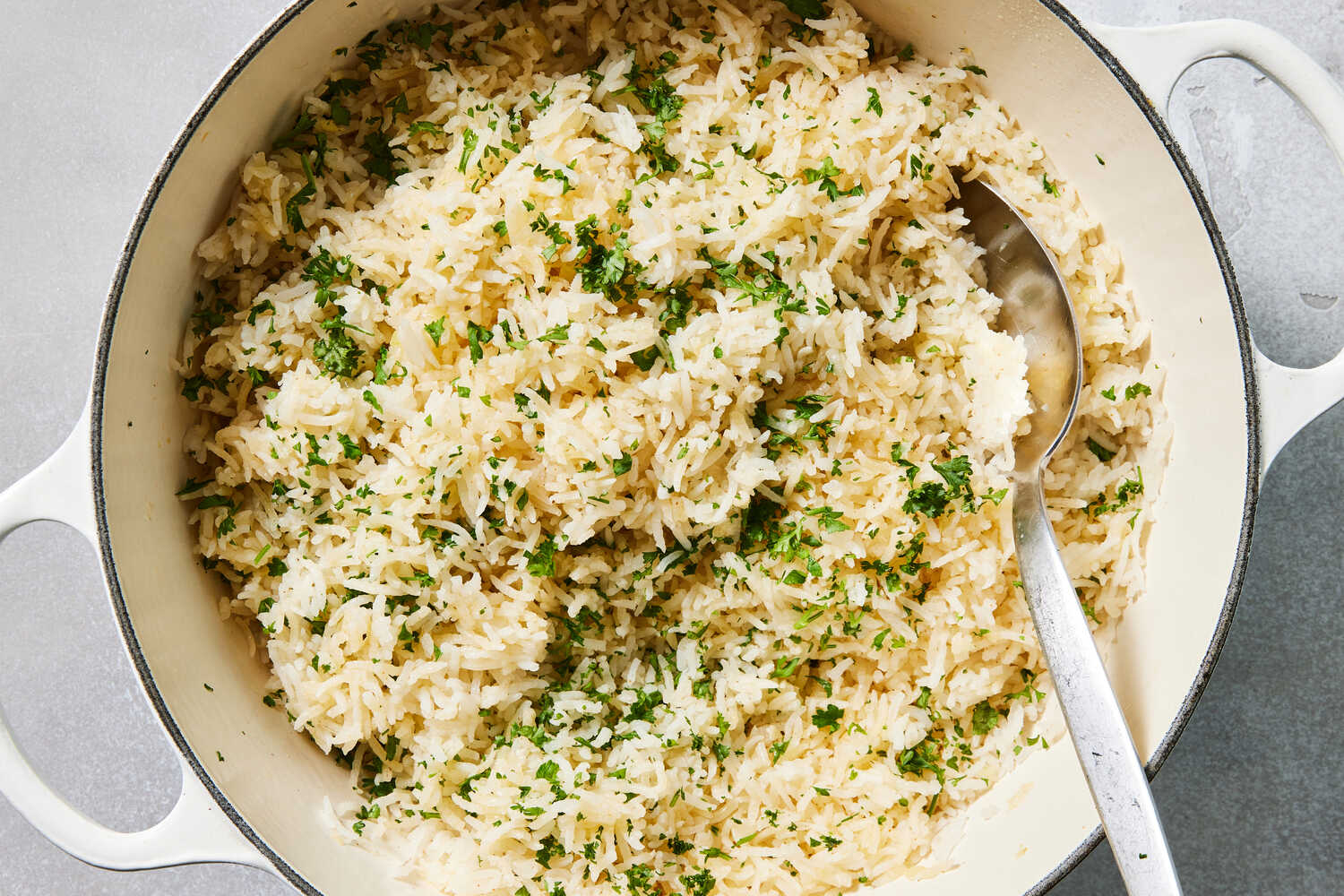
rice pilaf is a dish where rice is first sautéed in fat (such as butter or oil) with aromatics (like onions or vermicelli pasta) before a measured amount of seasoned liquid (broth or water) is added, and the mixture is simmered, covered, until the liquid is absorbed and the grains are tender and separate. This distinctive cooking method is what sets pilaf apart from plain steamed rice, imparting a nutty depth and an appealing, fluffy consistency where each grain stands distinct.
Origins and Global Variations
The history of
rice pilaf is as rich and varied as its many forms. Believed to have originated in ancient Persia, the technique of cooking rice in a seasoned broth spread extensively across Central Asia, the Middle East, South Asia, and beyond through trade routes and cultural exchange. Each region adapted the basic concept to its local ingredients and culinary traditions, giving rise to a fascinating array of pilaf dishes.
* In Turkey, "pilav" often includes vermicelli, chickpeas, or tiny pasta shapes.
* India's "pulao" or "biryani" (a more elaborate pilaf) showcases a vibrant blend of spices, meats, and vegetables.
* Central Asian versions frequently incorporate lamb, carrots, and cumin.
* In the Caribbean, "pelau" is a robust one-pot dish featuring pigeon peas, meat, and coconut milk.
* Even European cuisines have their versions, with influences seen in risotto or paella, though the techniques differ.
Despite the variations, the core principle of toasting the rice before simmering remains the unifying element, demonstrating the enduring appeal and adaptability of this ancient cooking method.
Distinguishing Pilaf from Steamed Rice
While both methods cook rice, the key difference lies in the initial steps and resulting texture. Plain steamed rice is typically added directly to boiling water or cooked in a rice cooker, leading to a lighter, sometimes stickier texture depending on the rice variety. Pilaf, on the other hand, benefits from the "frying" step:
1.
Toasting: Sautéing the dry rice grains in fat before adding liquid helps to seal the starch, preventing the grains from becoming mushy and encouraging them to stay separate and fluffy. This also imparts a delightful nutty flavor.
2.
Aromatics: The inclusion of onions, garlic, or other vegetables sautéed in the fat adds layers of flavor that penetrate the rice as it cooks.
3.
Liquid Absorption: Pilaf relies on a precise liquid-to-rice ratio, ensuring that all the liquid is absorbed, resulting in perfectly tender grains with a dry, separate finish.
This meticulous approach elevates
rice pilaf from a simple grain to a flavorful, textured dish worthy of its own spotlight.
Mastering the Perfect Rice Pilaf: Step-by-Step Guide
Achieving that ideal fluffy, separate-grained pilaf is simpler than you might think, provided you follow a few fundamental steps. Precision in ingredients and technique is your ally here.
Essential Ingredients for Classic Rice Pilaf
A basic
rice pilaf recipe requires minimal ingredients, allowing the quality of each to shine through.
*
Rice: Long-grain white rice, especially
Basmati or
Jasmine, is ideal due to its lower starch content, which contributes to separate grains. Rinsing the rice thoroughly under cold water until the water runs clear helps remove excess starch, further enhancing fluffiness.
*
Fat: Unsalted butter, olive oil, or a combination for richer flavor.
*
Aromatics: Finely diced yellow onion and minced garlic are classic. Some recipes include vermicelli pasta, broken into small pieces and toasted with the rice.
*
Liquid: Chicken broth, vegetable broth, or even water infused with a bouillon cube provides depth. Ensure it's hot when added to avoid cooling down the pot and disrupting the cooking process.
*
Seasoning: Salt and freshly ground black pepper are essential. A bay leaf can also add subtle aroma.
The Art of Toasting
The toasting phase is arguably the most critical step in making
rice pilaf.
1. Melt your chosen fat in a heavy-bottomed pot or Dutch oven over medium heat.
2. Add your aromatics (onions, vermicelli if using) and sauté until softened and translucent, or until the vermicelli turns golden brown.
3. Add the rinsed and drained rice to the pot. Stir constantly for 3-5 minutes, allowing the rice grains to lightly toast. They will become slightly translucent around the edges and emit a nutty aroma. This process creates a protective barrier around each grain, preventing it from absorbing too much water too quickly and becoming mushy.
Liquid Ratios and Cooking Times
The liquid-to-rice ratio is crucial for perfect pilaf. A general rule of thumb is 1.5 to 2 cups of liquid for every 1 cup of rice, though this can vary slightly depending on the type of rice and desired texture.
1. Once the rice is toasted, carefully pour in the hot liquid and add salt and any other desired seasonings.
2. Bring the mixture to a rolling boil over high heat, stirring once or twice to ensure everything is evenly distributed.
3. Immediately reduce the heat to the lowest setting, cover the pot tightly with a lid, and simmer for 15-20 minutes.
Resist the urge to lift the lid during this time, as escaping steam can lead to unevenly cooked or undercooked rice.
4. After the simmering time, remove the pot from the heat and let it rest, still covered, for another 5-10 minutes. This resting period allows the steam to redistribute and finish cooking the rice, ensuring optimal fluffiness.
5. Finally, remove the lid and gently fluff the
rice pilaf with a fork before serving.
Elevating Your Pilaf: Tips, Tricks, and Flavor Variations
While a classic
rice pilaf is delicious on its own, its versatility truly shines through customization. Don't hesitate to experiment with different additions and techniques. For more advanced techniques and unique variations to truly impress your guests, make sure to check out
rice pilaf - Article 2.
Flavor Enhancers and Add-ins
*
Spices: Beyond salt and pepper, consider a pinch of saffron for color and aroma, a bay leaf, whole cardamom pods, a cinnamon stick, or a dash of allspice or cumin for a Middle Eastern touch.
*
Herbs: Freshly chopped parsley, dill, or mint stirred in at the end brightens the flavor.
*
Nuts & Dried Fruits: Toasted slivered almonds, pine nuts, or pistachios add crunch. Golden raisins, currants, or diced apricots provide a touch of sweetness and chewiness. Add these towards the end of cooking or as a garnish.
*
Vegetables: Sauté finely diced carrots, peas, or bell peppers with the onions for added color, nutrition, and texture.
*
Proteins: Cooked chicken, ground beef, lentils, or chickpeas can be stirred into the pilaf, transforming it into a hearty main course.
Common Pitfalls and How to Avoid Them
Even experienced cooks can encounter issues. Here's how to troubleshoot common pilaf problems:
*
Mushy Rice: Often caused by too much liquid, lifting the lid too early (releasing steam), or over-stirring. Stick to the recommended liquid ratio and resist the urge to peek!
*
Dry or Undercooked Rice: Not enough liquid, too high heat (evaporating liquid too fast), or insufficient resting time. Ensure your pot is tightly sealed and allow the full resting period.
*
Sticky Rice: Insufficient rinsing of the rice before cooking, or not toasting it adequately. The toasting step is crucial for separate grains.
*
Scorched Bottom: Heat too high during simmering, or a thin-bottomed pot. Use a heavy-bottomed pot and reduce heat to the absolute lowest setting.
Serving Suggestions and Pairings
Rice pilaf is incredibly versatile, making it an excellent accompaniment to a wide range of dishes or a star in its own right.
As a side, it pairs beautifully with grilled chicken, roasted lamb, pan-seared fish, or hearty stews. Its fluffy texture and subtle flavors complement rich main courses without overpowering them. For a vegetarian meal, serve it alongside roasted vegetables, a lentil stew, or a fresh green salad.
For a complete meal, consider adding more substantial ingredients to your pilaf, transforming it into a one-pot wonder. Garnish with fresh herbs, a dollop of Greek yogurt or labneh, or a squeeze of lemon juice for an extra burst of freshness. To explore more creative meal ideas and perfect pairings that elevate your rice pilaf experience, be sure to read
rice pilaf - Article 3.
Conclusion
From its humble origins to its present-day global appeal,
rice pilaf remains a testament to the transformative power of simple ingredients and thoughtful technique. By understanding the core principles – rinsing, toasting, precise liquid ratios, and patient simmering – you can consistently achieve a perfectly fluffy, flavorful pilaf. Whether you stick to the classic version or venture into adventurous variations, mastering this culinary staple will undoubtedly enrich your cooking repertoire and delight anyone lucky enough to share your table. So grab your pot, a handful of rice, and embark on your own delicious pilaf journey!